Lancaster University brand guidelines
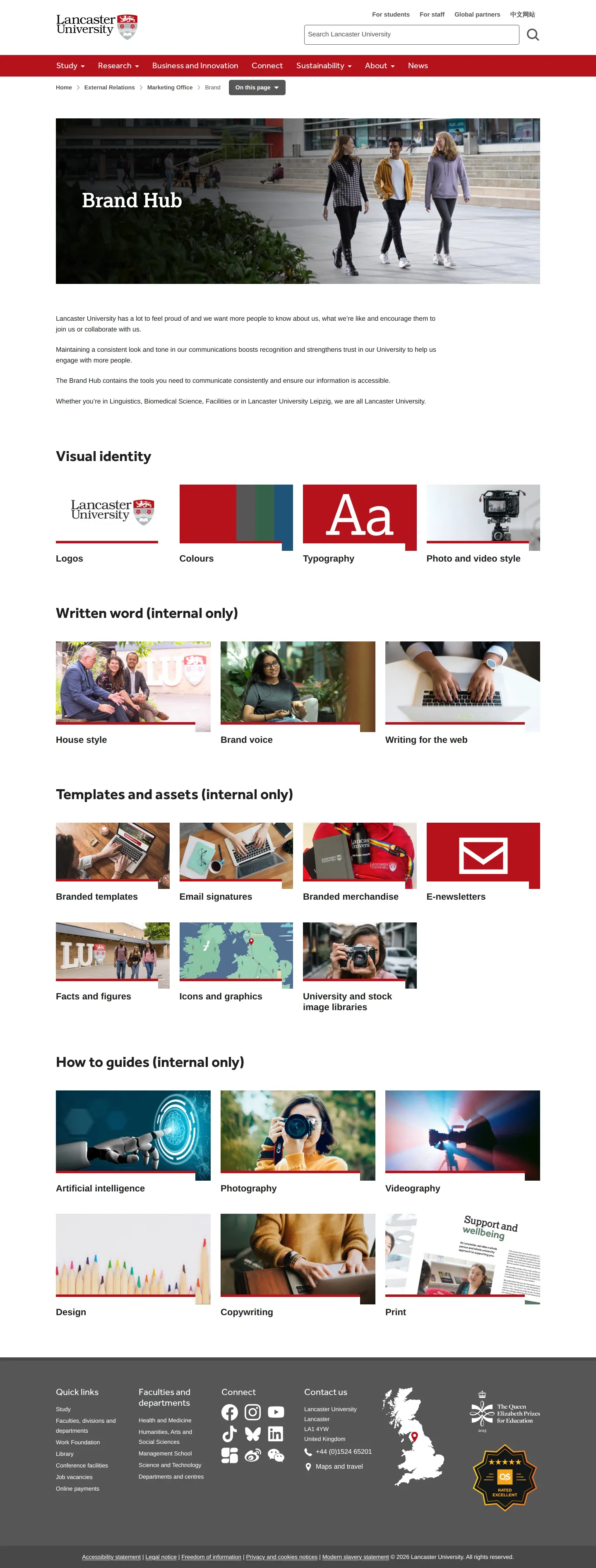
Lancaster University provides an online brand hub detailing logos, colors, and typography publicly, while gating operational assets and internal templates behind university login.
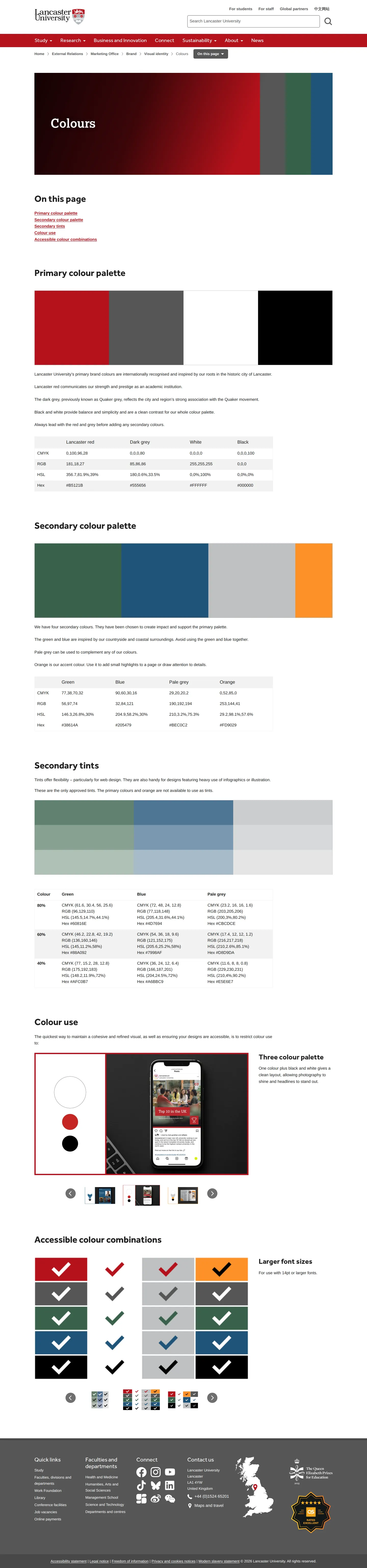
Freedam's take — I like how Lancaster University organizes its brand hub directly within its main web architecture. The public sections cover essential visual foundations, including primary and secondary palettes, accessible contrast pairings, and downloadable logo packs. They also give clear guidance for partnerships and college co-branding. Meanwhile, operational resources like templates, email signatures, written guides, and specific workflows sit behind single sign-on. It creates a sensible boundary between what the outside world needs to represent the institution accurately and what internal teams require for day-to-day production.
Details
- Type
- Guidelines
- Access
- Public
- Source
- lancaster.ac.uk
- Industry
- Education
- Capabilities
- Guidelines, Asset browsing, Search, Downloads, Templates, Partner resources
- Tags
- color system, typography, logo usage, asset downloads, gated access, partner branding, accessibility
- Added
- Last checked

What I noticed
- The Brand Hub home page links to sections covering visual identity, written word, templates, and how-to guides, marking several sections as internal only.12345
- The logos section includes guidance on principal and mono versions, social media usage, minimum sizes, and a downloadable logo archive.678910
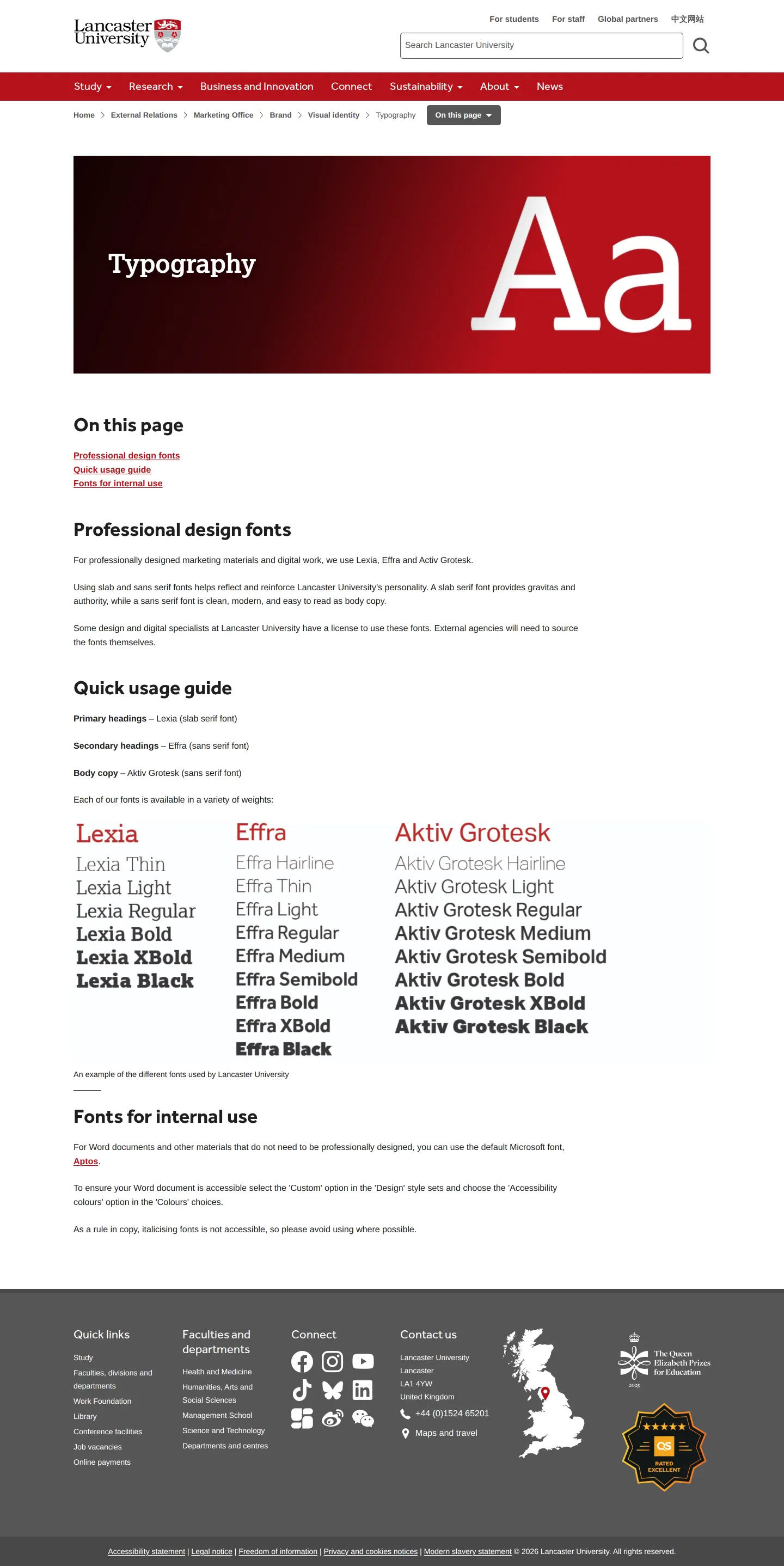
- The typography guidelines delineate between professional design fonts and fonts meant for internal use.1112
- Branded templates and email signatures redirect to an internal WebLogin authentication portal.13141516
Numbers refer to the screenshots above.
What I could not see
- Content behind the university WebLogin system, including branded templates and email signatures, could not be accessed.
- Internal how-to guides and written style sections were not verified due to internal access restrictions.
Ideas to borrow
- Splitting public-facing foundational visual identity from internal production templates with university single sign-on allows an institution to maintain open brand compliance while protecting proprietary tools.
Reviewed on 18 September 2026. Request a correction · I built this